Jordan
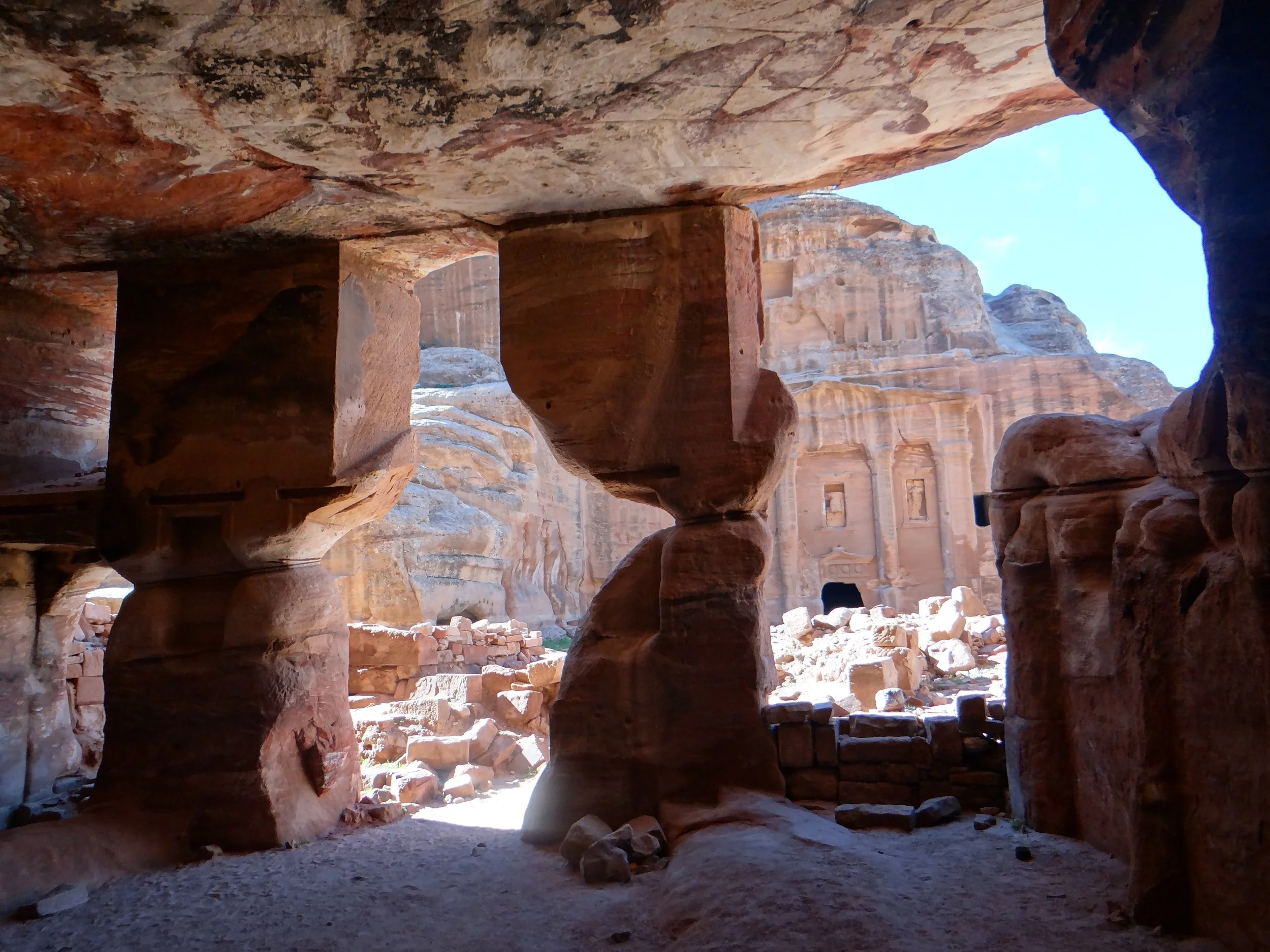
“You will never know what Petra really is, unless you come here in person.”Thomas Edward Lawrence
Jordan isn't just a place to see; it’s a timeless landscape to be felt. Let’s sketch a route tailored to your sense of wonder.
How it works:
Share Your Vision - Book a brief, free chat to learn more about us and to tell us about your ideas, details, and special moments you want to experience in Jordan.
See the Proposal - Get your itinerary proposal, tailored to your unique travel aspirations.
Make your Journey Real - Come on board and get your fully customized Jordanian itinerary!
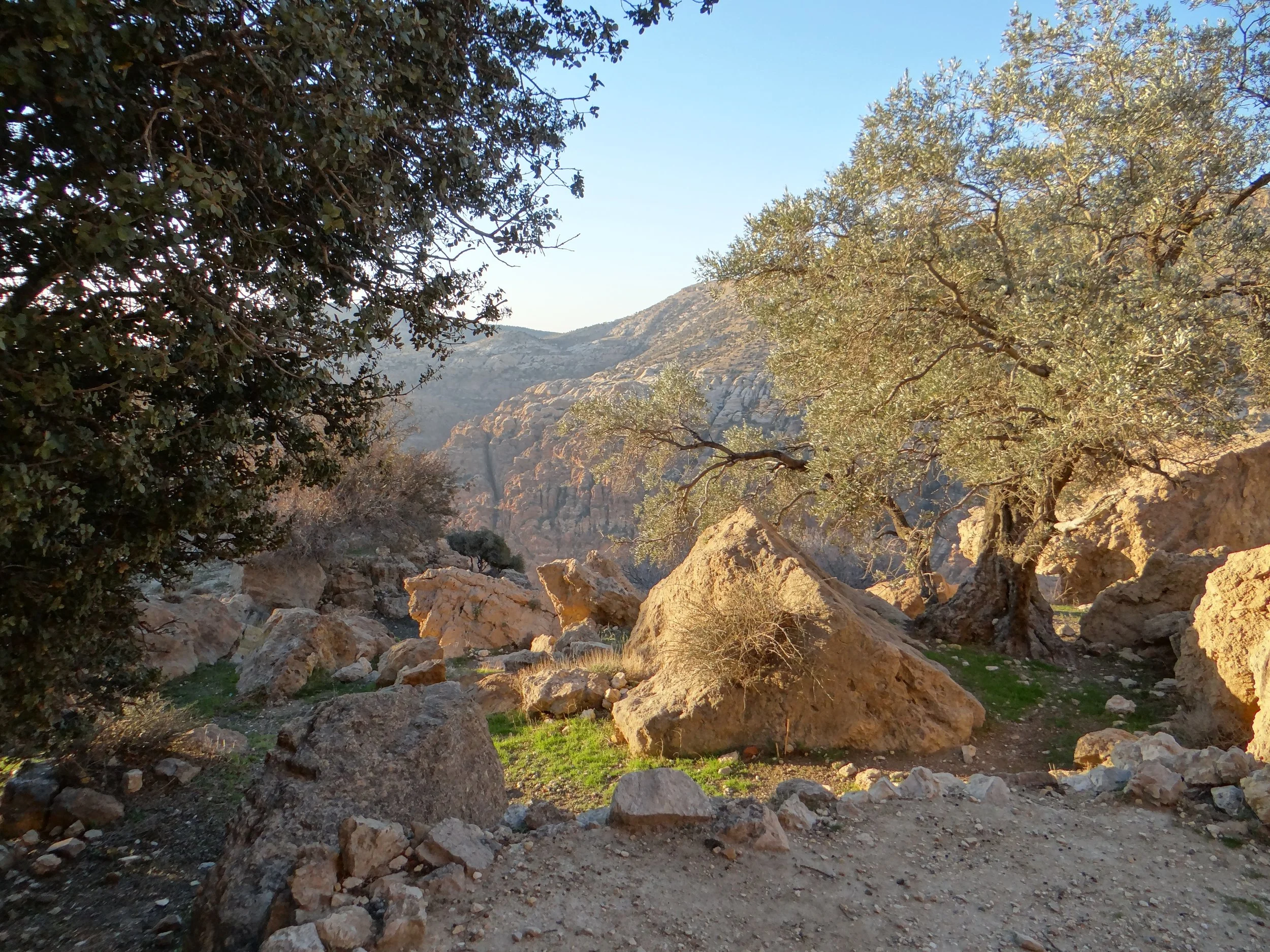
At the southeastern edge of the Mediterranean basin, where the last olive trees give way to the rocks and sands of the Arabian Peninsula's deserts, Jordan is a small Middle Eastern nation whose mostly Arab culture is shaped and influenced by both its proximity to the Mediterranean and desert peoples.
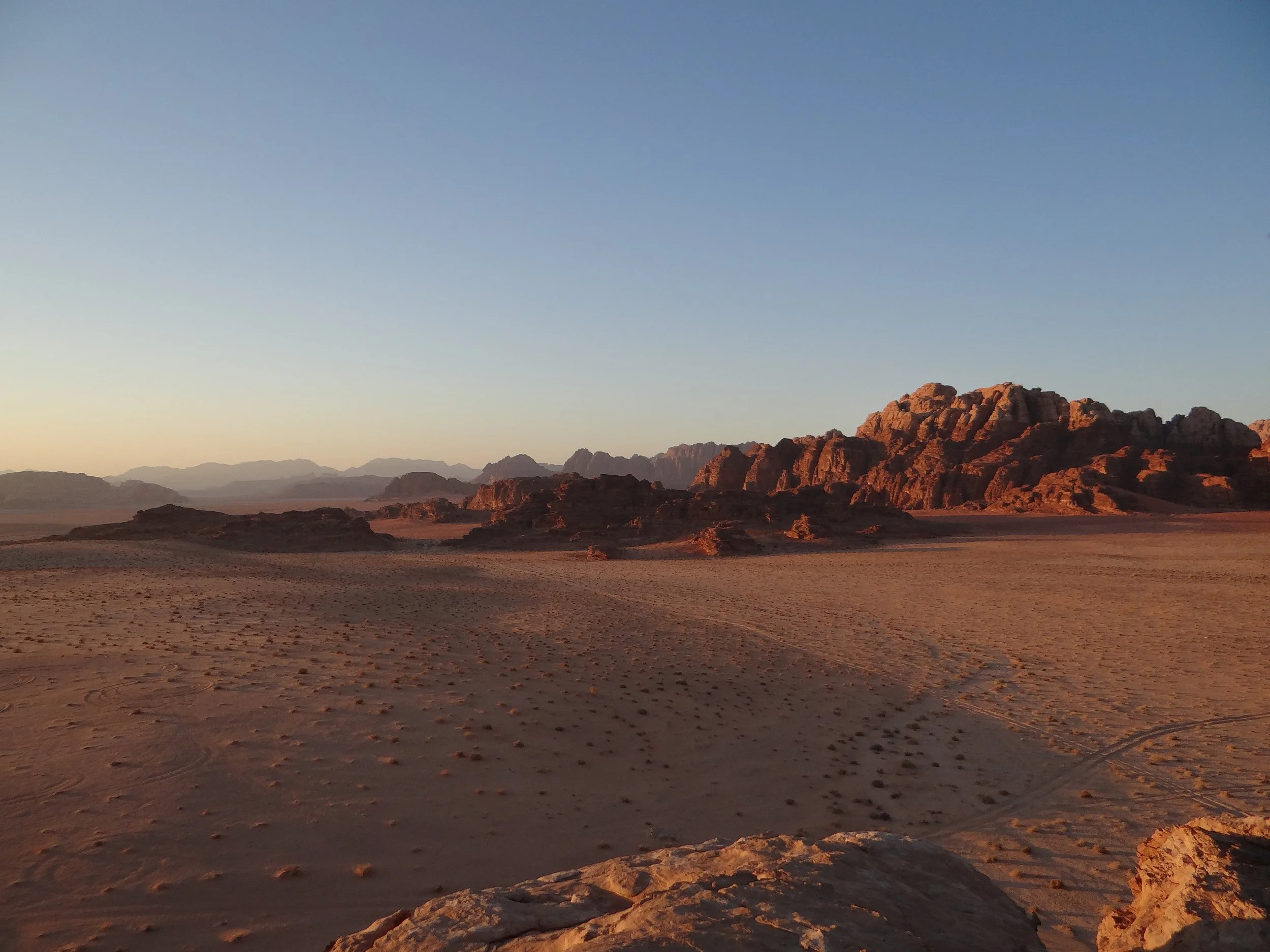
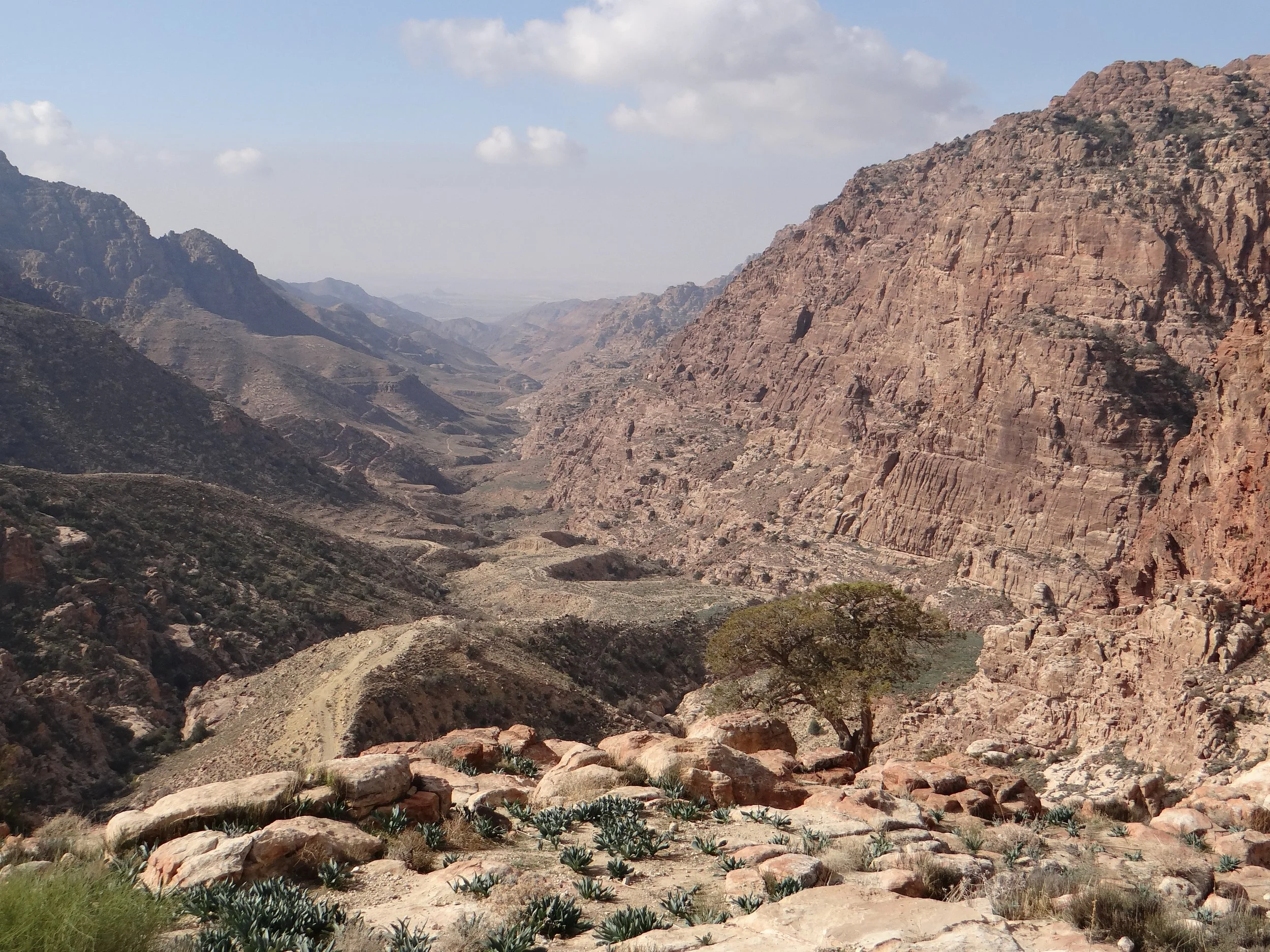
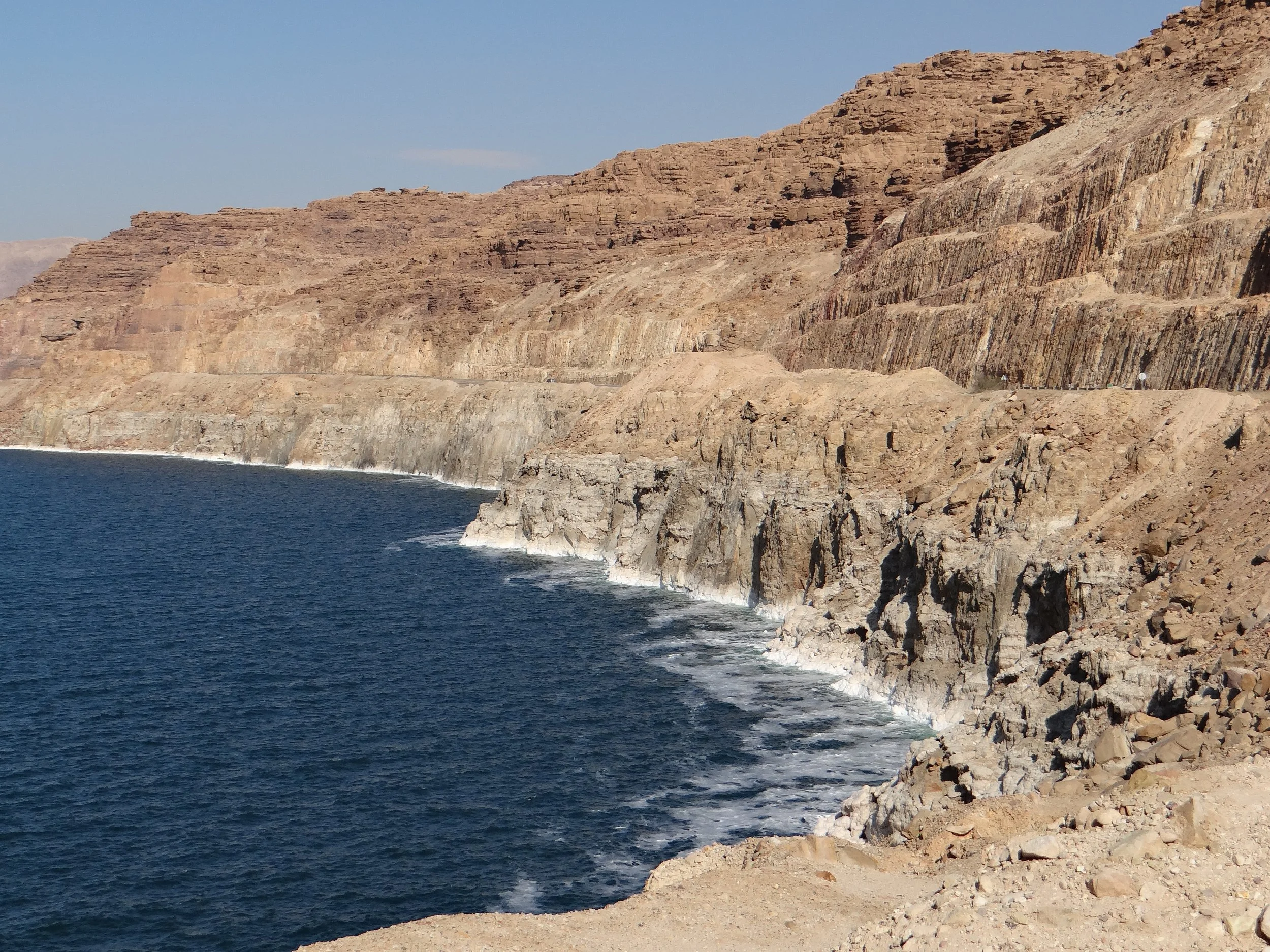
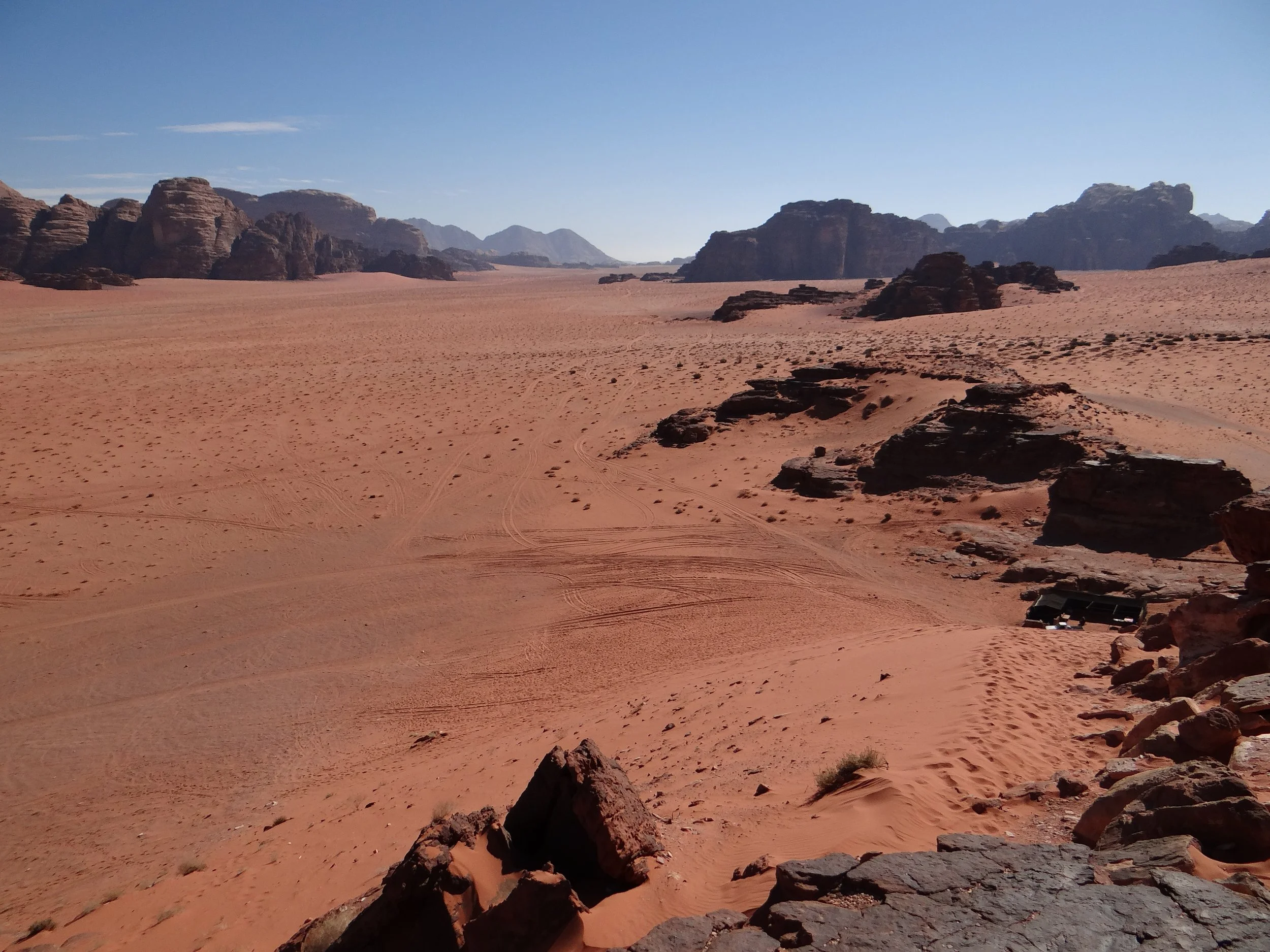
Despite its small size, Jordan is a veritable treasure trove of natural, historical, and cultural wonders, predominantly aligned along a north-south axis and along the adjacent plateaus that border to the east the Dead Sea, the Jordan River, and the Red Sea rifts. The Dead Sea, an extremely salty inland lake and the lowest point on land in the world, along with the nearby canyons of Wadi Mujib, constitutes a natural and geological wonder. Further south, other places of great environmental and landscape value include the Dana Reserve, the Wadi Rum desert, and the Red Sea filled with unique marine life. The short stretch of the Jordanian coast on the Red Sea, south of the city of Aqaba, is fronted by impressive coral reefs offering stunning diving and snorkeling opportunities.
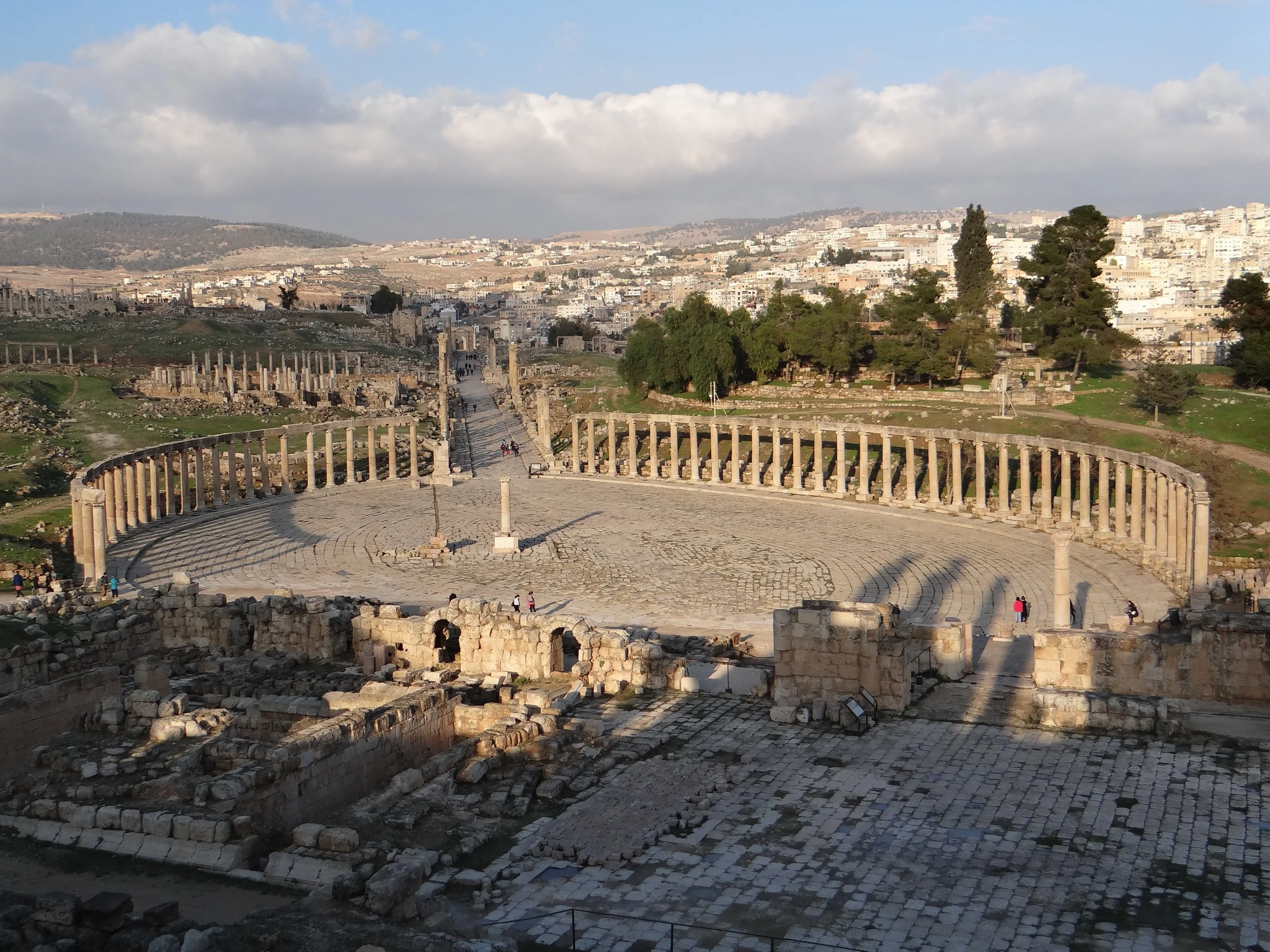
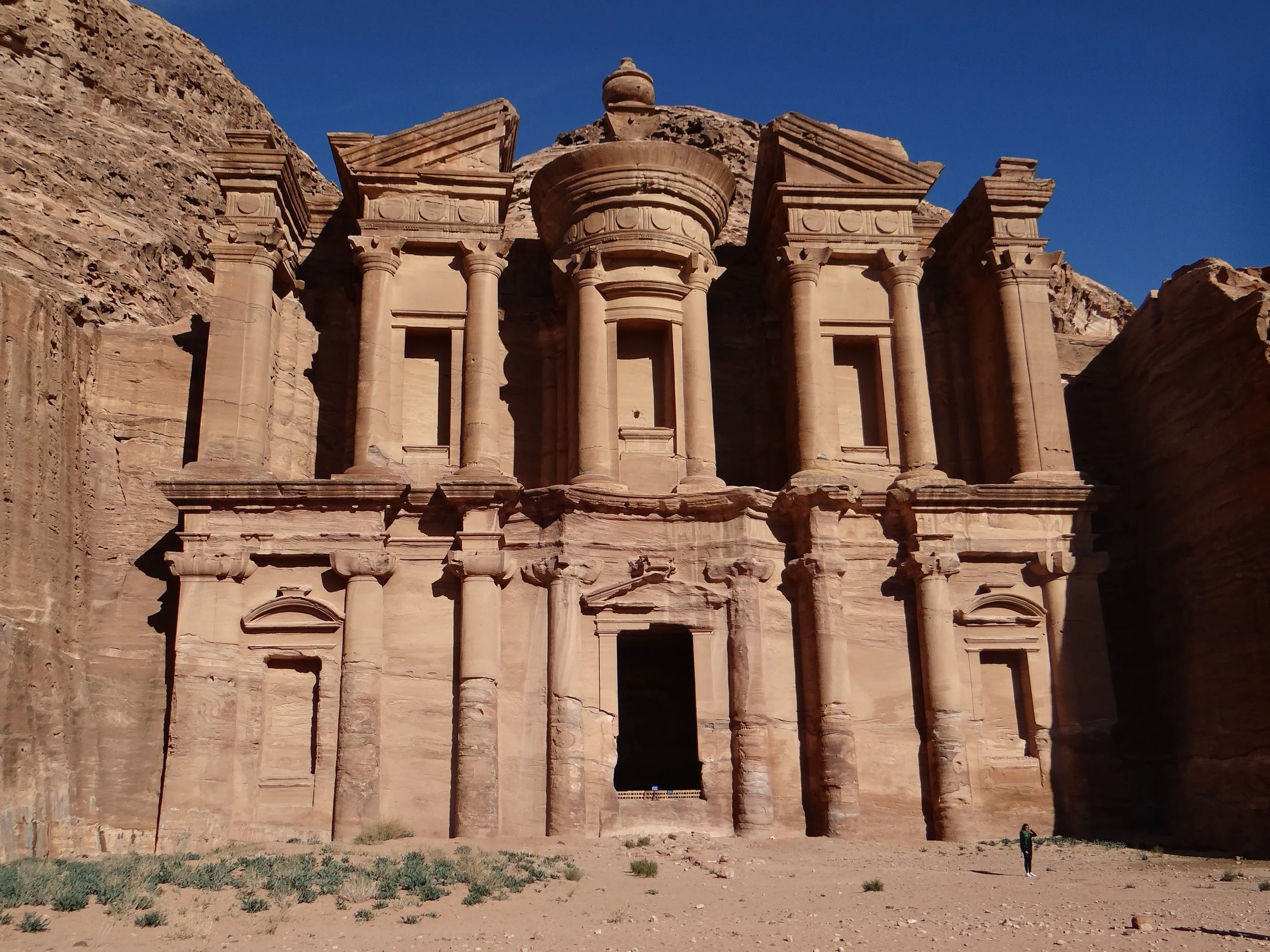
Jordan's historical and monumental heritage is also rich, including, in addition to the Roman and Islamic remains of the capital Amman, the archaeological site of Jerash, the biblical castles of Ajloun and Shobak, the Byzantine art of Madaba, and the most famous of all: the stunning pink city of the Nabateans, Petra, undoubtedly one of the most significant and evocative historical and archaeological sites in the world
Our expertise covers the entire Jordanian territory, from the olive-covered hills of the north to the wild desert landscapes and coral coast of the Red Sea in the south, including all the natural and historical sites in between, first and foremost Petra.
EXPERT CUSTOM-DESIGNED JORDAN ITINERARIES
DISCOVER THE REAL JORDAN AND HIDDEN GEMS
DETAILED ITINERARIES INCLUDING DESTINATIONS, ACTIVITIES, HOTELS AND LOGISTICS
STRESS-FREE TRAVEL PLANNING
CRAFT YOUR PERFECT JORDANIAN TRIP