Tunisia
“Tunisia, where the sands of the Sahara meet the turquoise waters, is a paradise crafted by nature's hand.”Hisham Matar
Step off the beaten track into a Mediterranean masterpiece. Let’s shape your custom Tunisian chronicle.
How it works:
Share Your Vision - Book a brief, free chat to learn more about us and to tell us about your ideas, details, and special moments you want to experience in Tunisia.
See the Proposal - Get your itinerary proposal, tailored to your unique travel aspirations.
Make your Journey Real - Come on board and get your fully customized Tunisian itinerary!
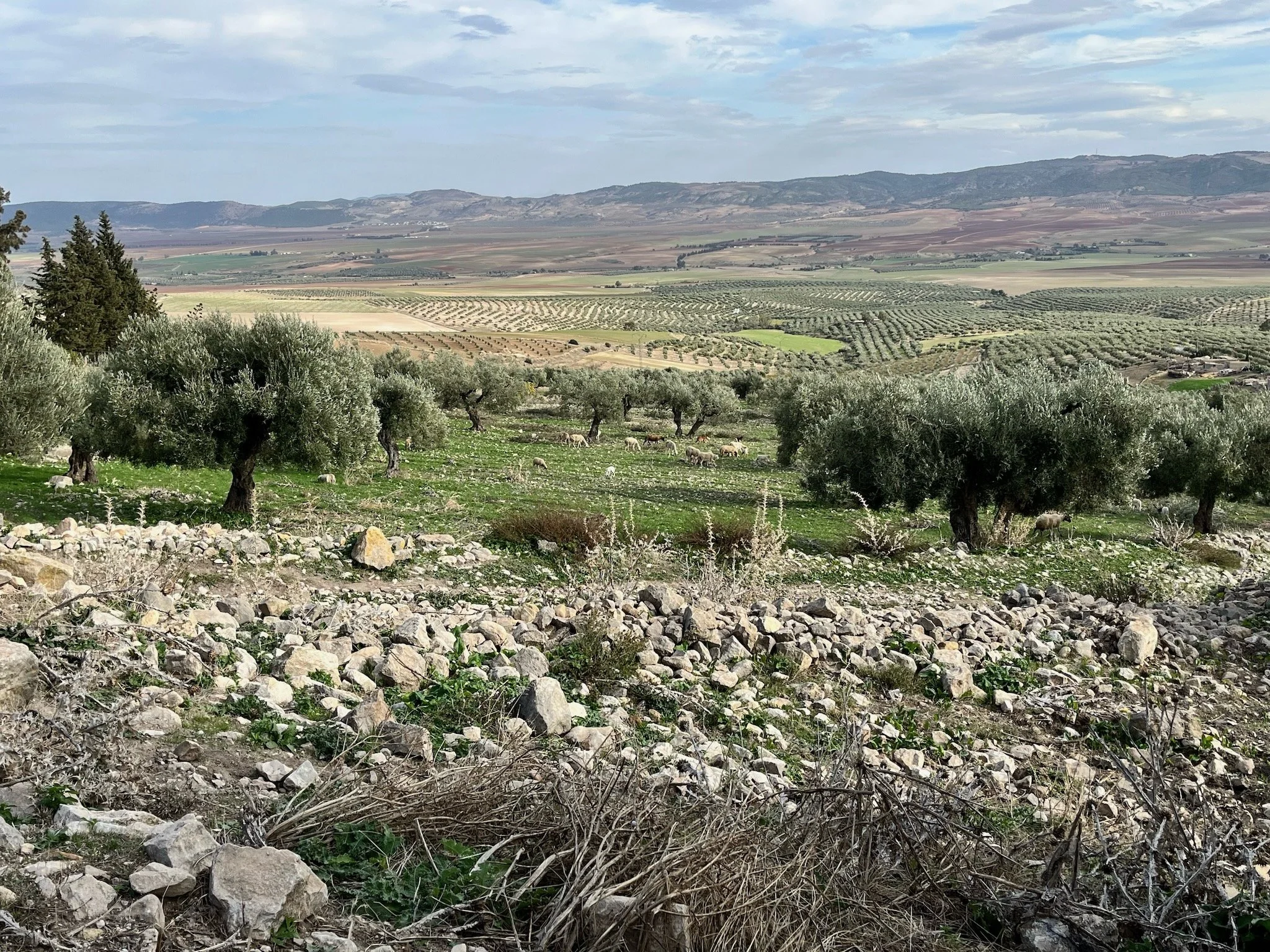
Tunisia, bordering the Mediterranean sea to the north and east, represents a small strip of North Africa that encompasses many of the landscapes found in this part of the continent. From north to south, one encounters typical Mediterranean scrub, followed by vast expanses of olive groves that gradually give way to more arid landscapes. Proceeding south, date palms gradually replace olive trees both inland and along the coast, as on the exotic island of Djerba, finally giving way to the sands of the Sahara Desert in the far south. Tunisia's environmental heritage is therefore of considerable importance, including a UNESCO World Heritage Site, Lake Ichkeul National Park.
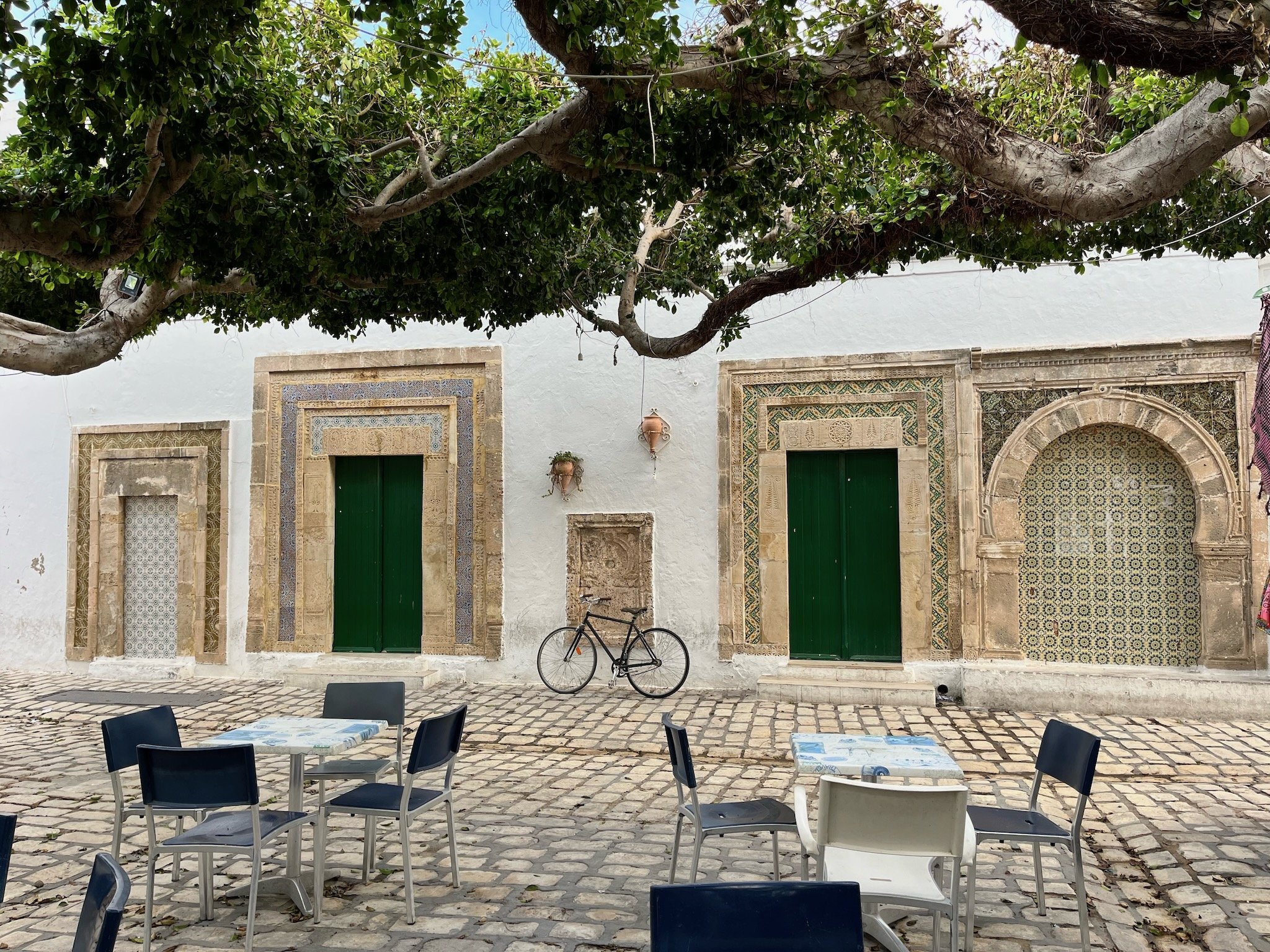
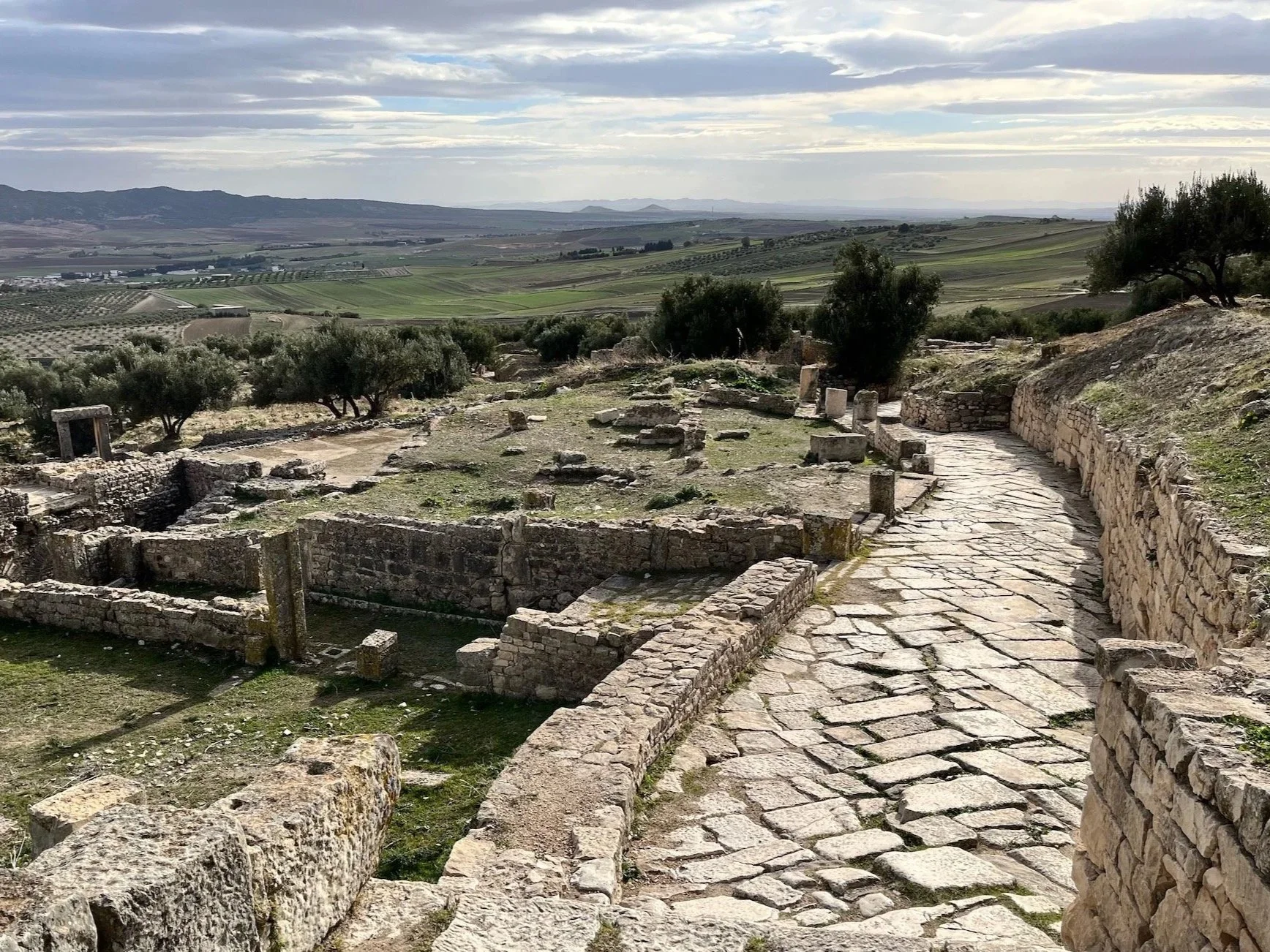
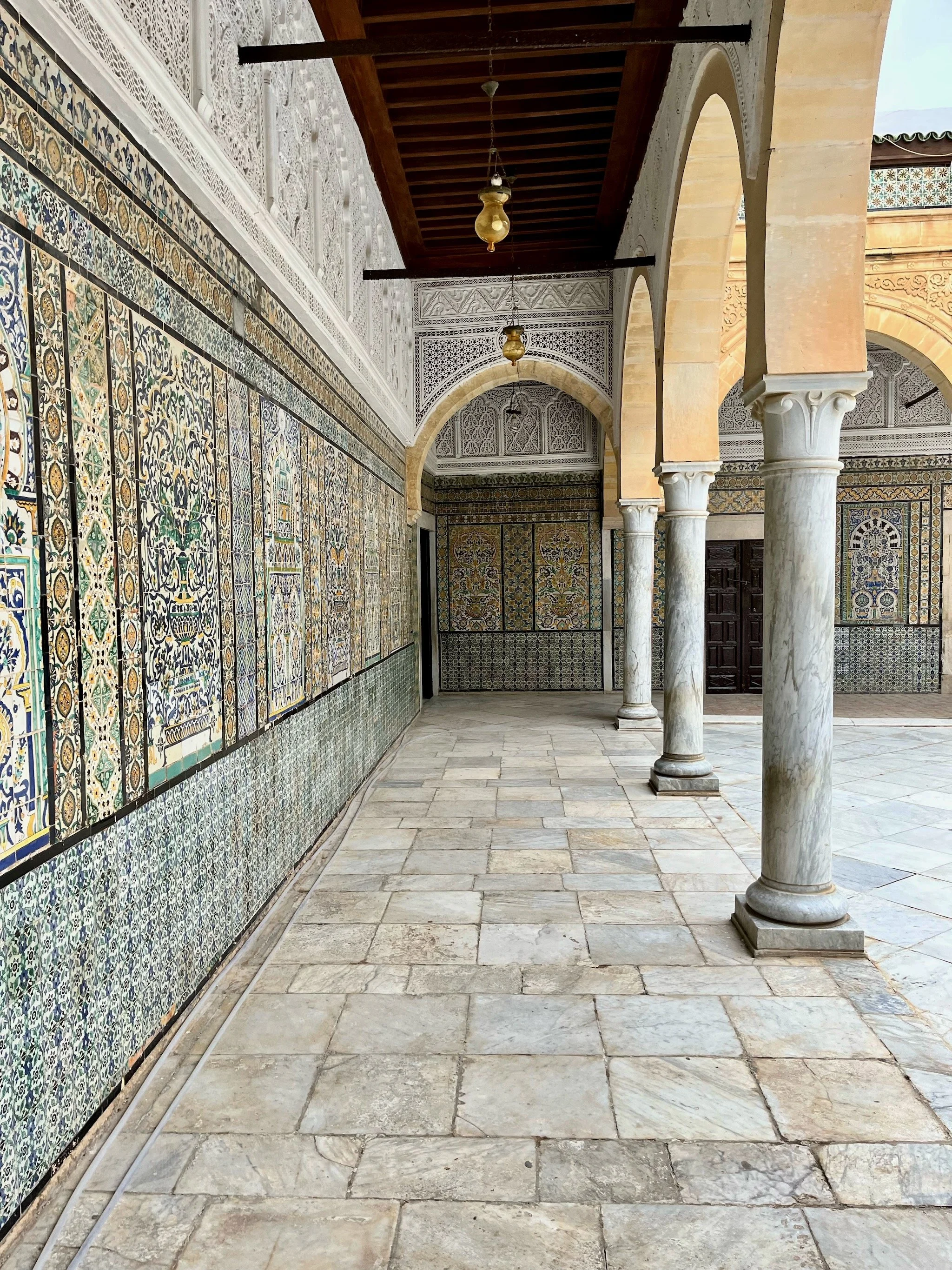
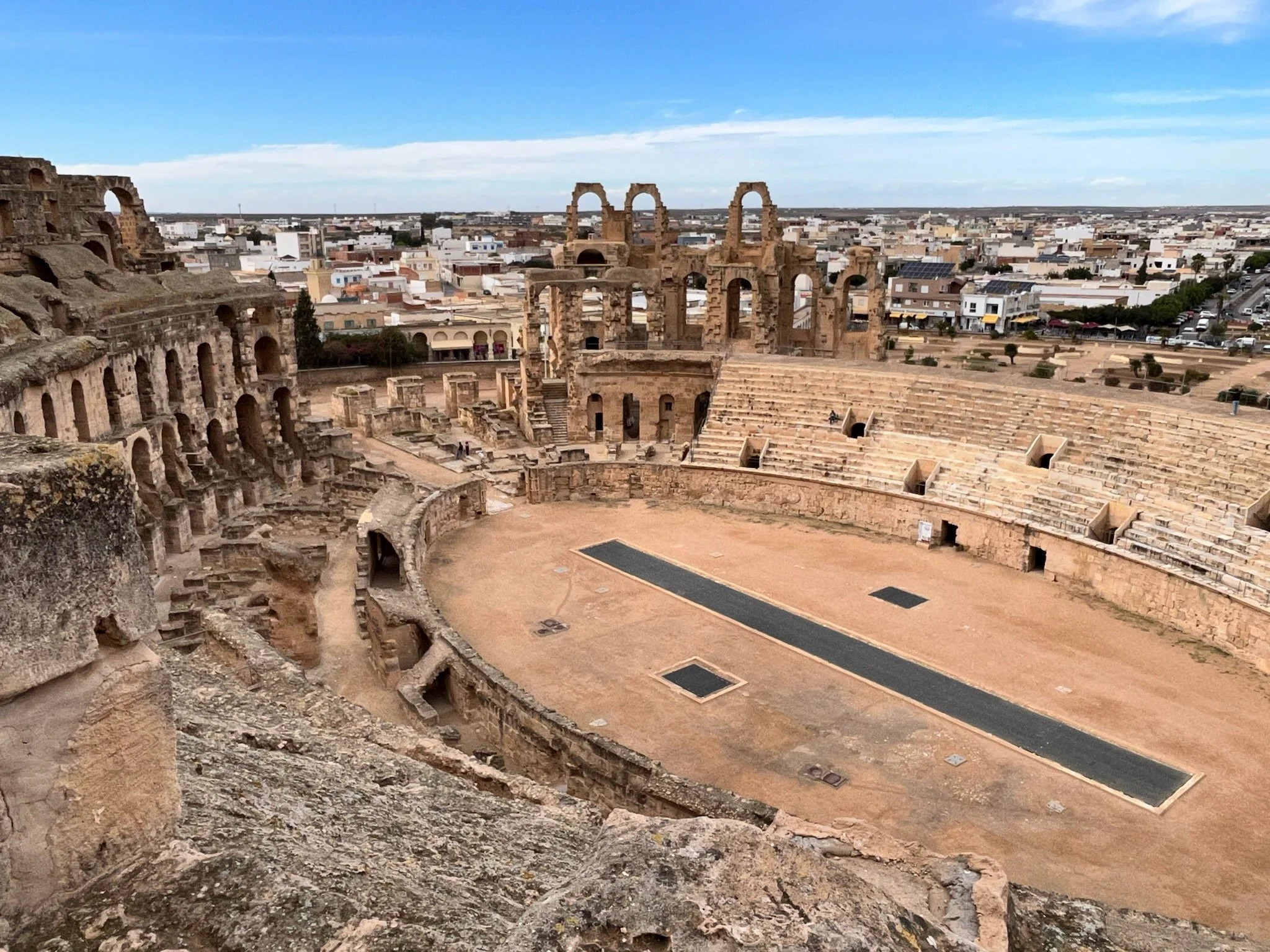
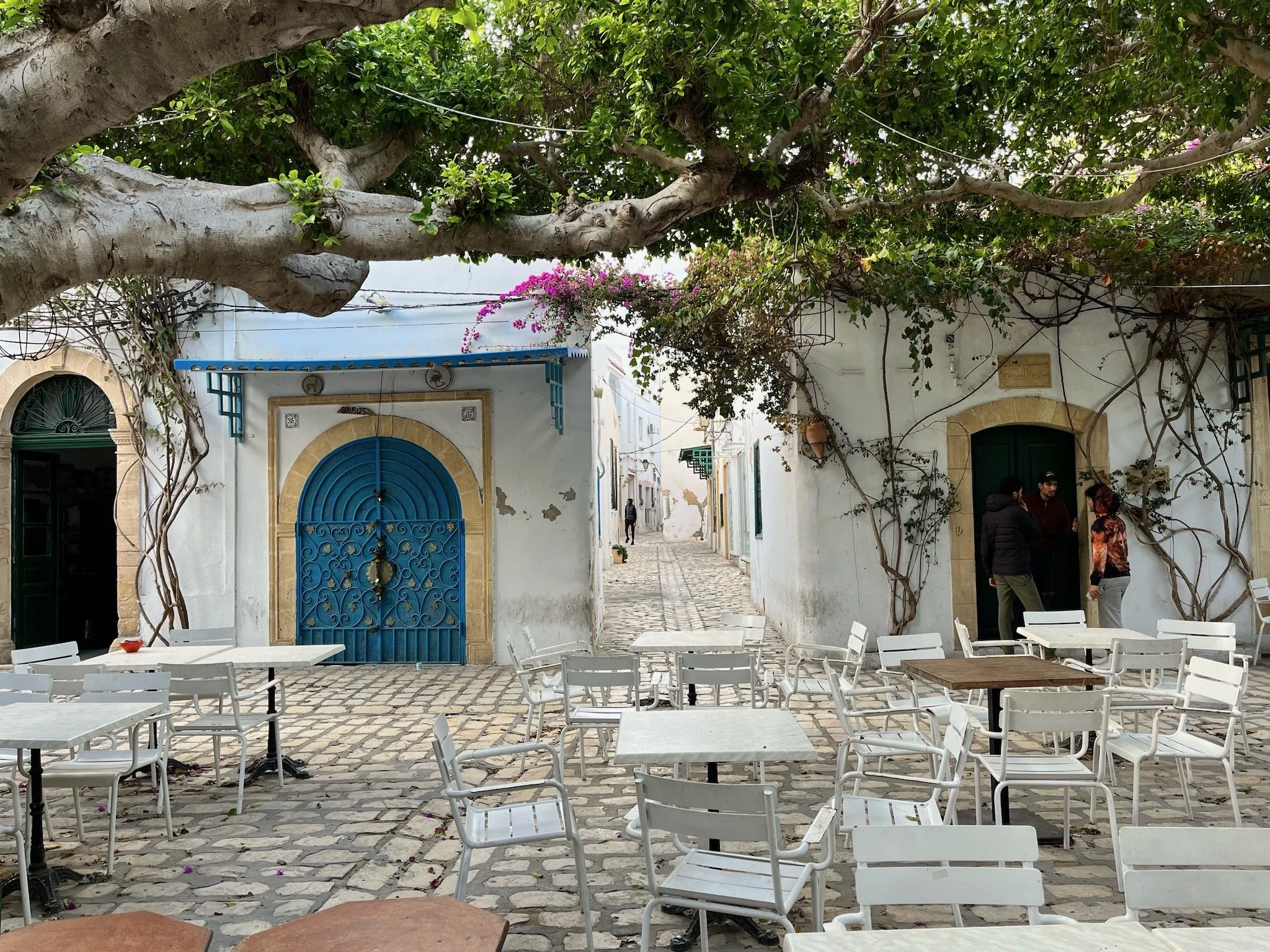
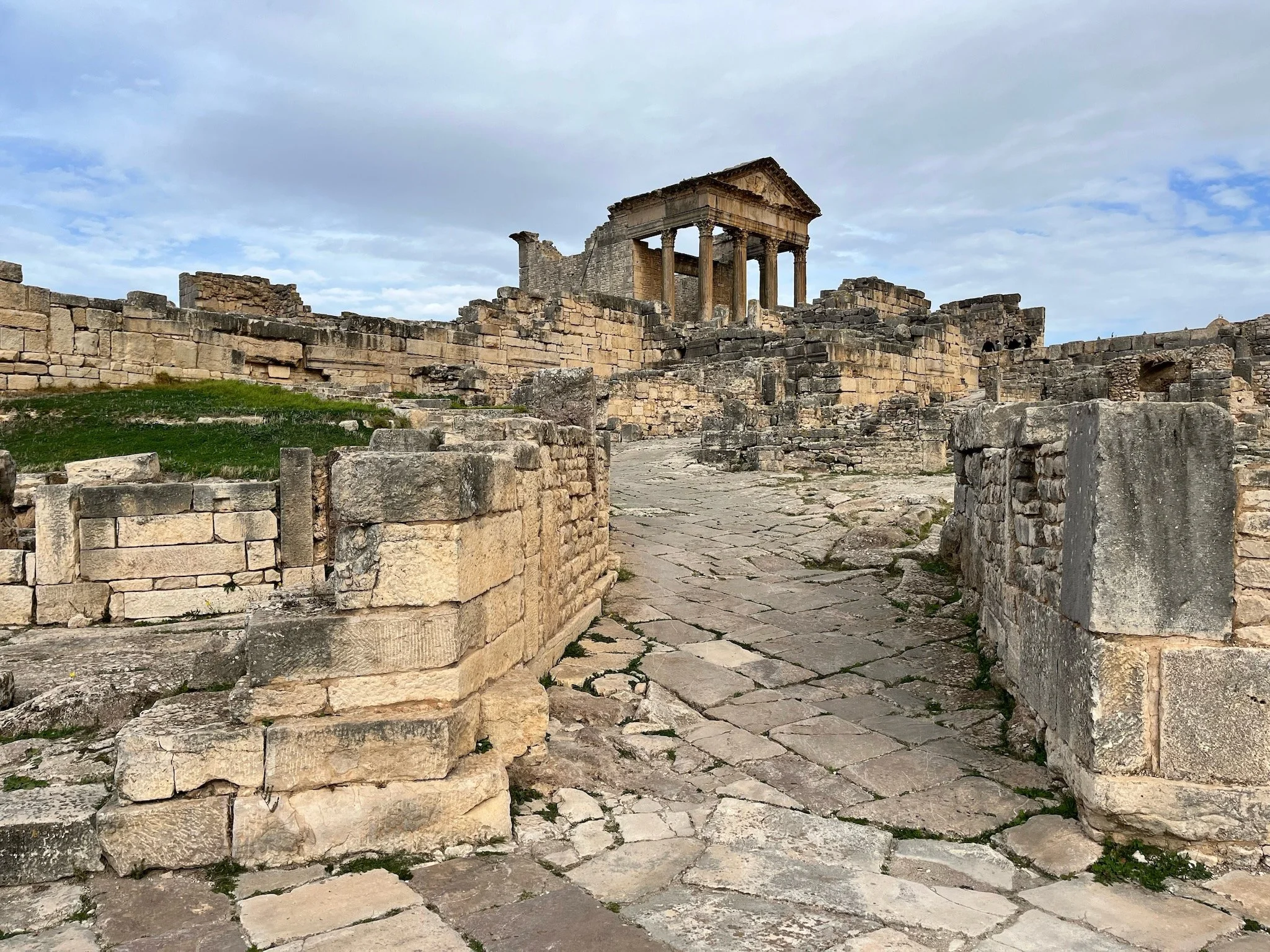
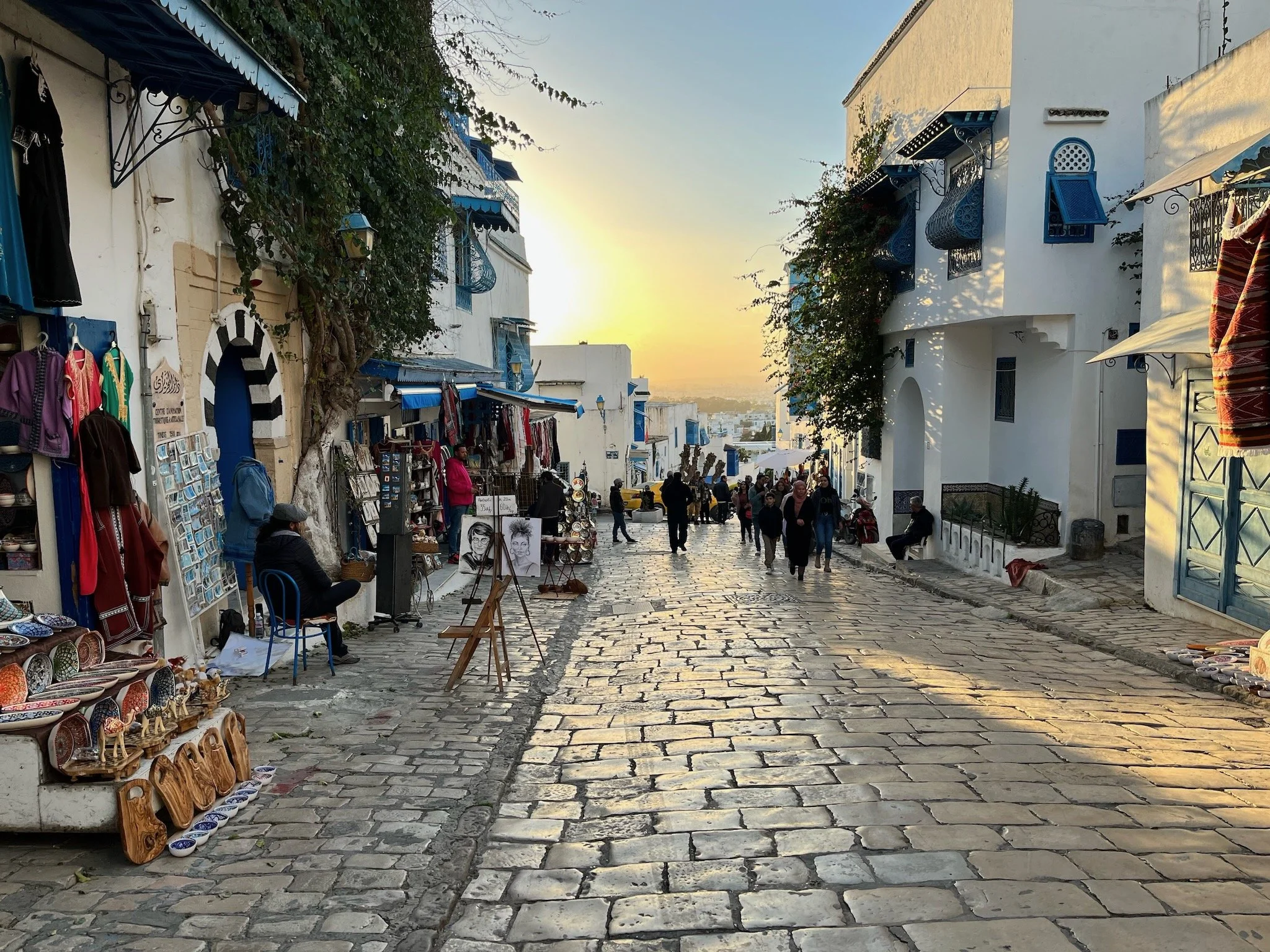
Tunisia's archaeological sites, such as the Phoenician sites of Carthage and Kerkouane and the Roman sites of Dougga and El Jem, are also stunning and evocative. Rich in history but also bursting with color, scents, and life, are the cities and medinas, including those of Tunis and Sousse, the Islamic holy city of Kairouan, and the coastal towns of Sidi Bou Said, Hammamet, and Mahdia, bathed by the most beautiful African Mediterranean. Finally, the charm of the desert areas and oases is undeniable, especially that of Tozeur.
What unites all of Tunisia is the intensity of its dazzling light, its exotic atmospheres, and the sense of adventure and exploration that this hospitable country offers.
Our expertise covers the entire Tunisian territory, from the Mediterranean shoreline of the north and east to the interior and the southern reaches of the Sahara.
EXPERT CUSTOM-DESIGNED TUNISIA ITINERARIES
DISCOVER THE REAL TUNISIA AND HIDDEN GEMS
DETAILED ITINERARIES INCLUDING DESTINATIONS, ACTIVITIES, HOTELS AND LOGISTICS
STRESS-FREE TRAVEL PLANNING
CRAFT YOUR PERFECT TUNISIAN TRIP